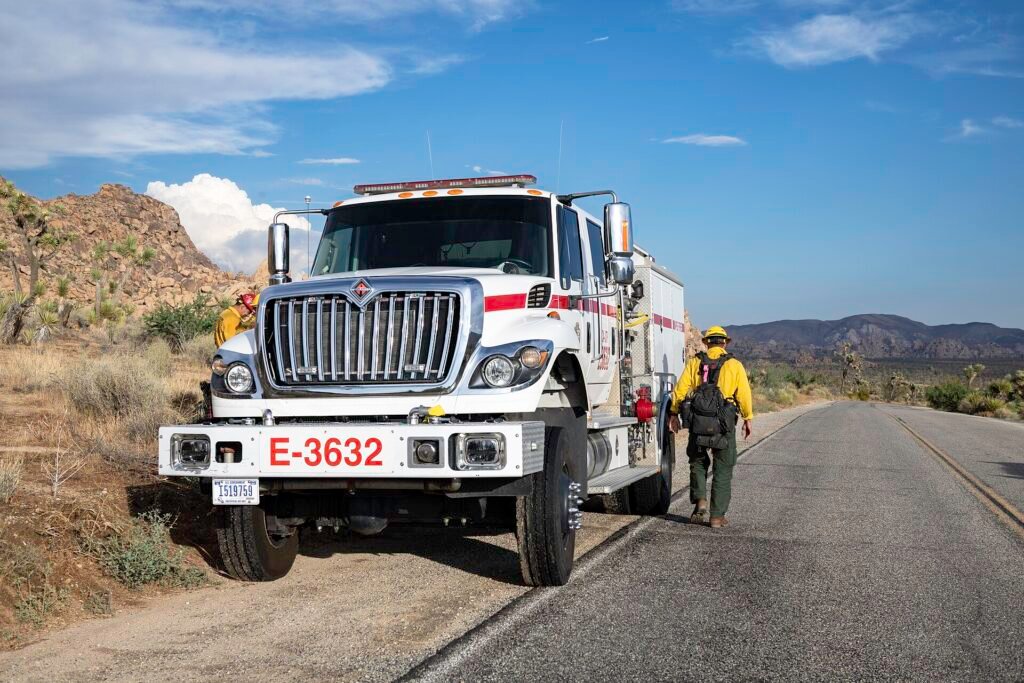
A community helper is a person whose job helps other people in a community. A community is a group of people who live in the same area, such as a town or a neighborhood. Firefighters, nurses, teachers, and mail carriers are community helpers. Some helpers get paid. Some are volunteers.
Key facts
- A community is a group of people who live in the same area, says the Britannica Dictionary.
- The United States had 355,300 firefighter jobs in 2025, says the U.S. Bureau of Labor Statistics (BLS).
- In 2020, 64% of fire department calls needed emergency medical services (EMS) and rescue, says the U.S. Fire Administration.
- In an emergency, you dial 911 from your phone, says the National 911 Program.
- The United States had 1,530,500 kindergarten and elementary school teacher jobs in 2025, says BLS.
- Mail carriers deliver mail to homes and businesses in cities, towns, and rural areas, says BLS.
What do community helpers do?
A community helper does a job that serves other people. That kind of work is called a service. A volunteer is a person who helps and does not get paid.
The Britannica Dictionary defines a community as “a group of people who live in the same area (such as a city, town, or neighborhood).” Your neighborhood is a community. Your town or city is a community too. Every community has a place on a map. See how maps work in the geography section.
Imagine a town with no one to pick up the trash. It would get messy fast. Helpers keep a community working. Learn how people run communities in our civics section.
This page covers jobs found in most US towns. It does not list every helper.
Who helps keep us safe?
Firefighters and police officers help keep us safe. Firefighters control and put out fires. They also respond to emergencies, says BLS. An emergency is a problem that needs help right away.
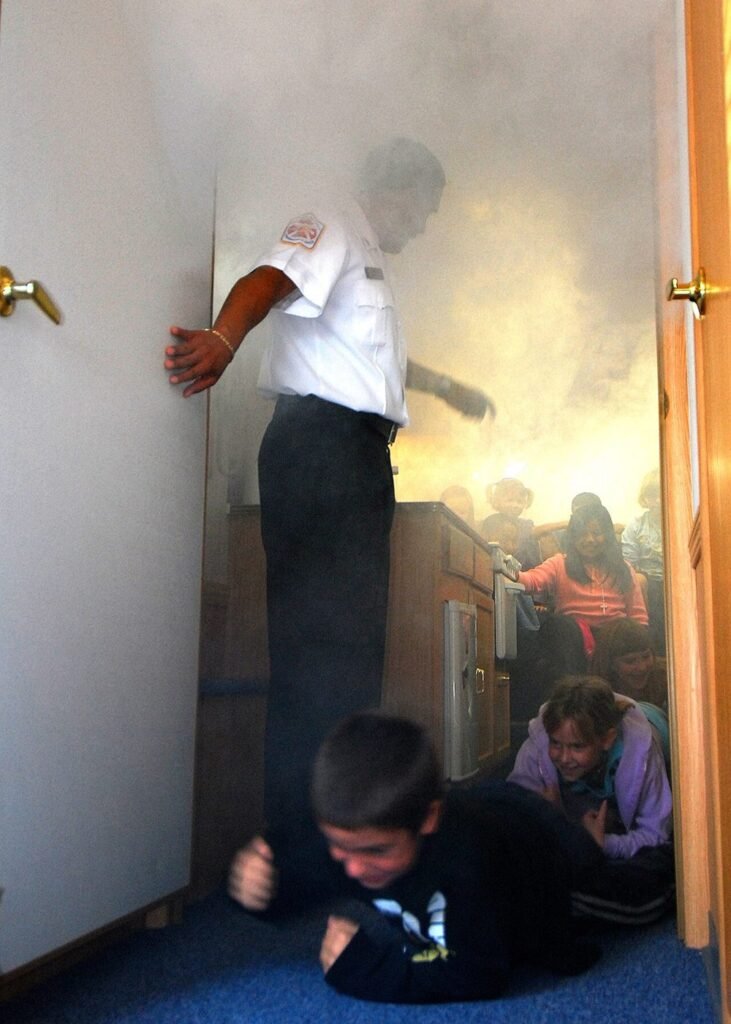
The United States had 355,300 firefighter jobs in 2025, says BLS.
The BLS says “most calls to firefighters are for medical emergencies, not fires.” In 2020, 64% of fire department calls needed EMS and rescue, says the U.S. Fire Administration. That is 17,297,200 of 26,959,000 calls reported to the National Fire Incident Reporting System.
Some firefighters teach people about fire safety. They may give talks at schools, says BLS.
Police officers protect lives and property, says BLS. Property means things people own, like homes and cars. The United States had 824,200 police and detective jobs in 2025, says BLS.
When do you call 911?
Call 911 in an emergency. The National 911 Program says an emergency is “any situation that requires immediate assistance from the police, fire department or ambulance.” The program also says, “In an emergency, dial 911 from your phone immediately.” Stay on the line. The program says, “Do not hang up until the call-taker instructs you to do so.”
Ask a grown-up to show you when and how to call. Practice together. This page cannot replace that practice.
Who helps keep us healthy?
Paramedics, nurses, doctors, and dentists help keep us healthy. Emergency medical technicians (EMTs) and paramedics check people who are hurt or sick. They give emergency care. They may take patients to a place that can treat them, says BLS. The United States had 284,100 EMT and paramedic jobs in 2025, says BLS.
Registered nurses provide and coordinate patient care. They also teach patients and the public about health conditions, says BLS.
Physicians and surgeons diagnose and treat injuries or illnesses, says BLS. Dentists diagnose and treat problems with teeth, gums, and the mouth, says BLS. Veterinarians, or vets, care for the health of animals, says BLS.
Who helps us learn?
Teachers and librarians help us learn. Kindergarten and elementary school teachers instruct young students in basic subjects, plan lessons, and grade assignments, says BLS. They also communicate with parents and guardians about student progress.
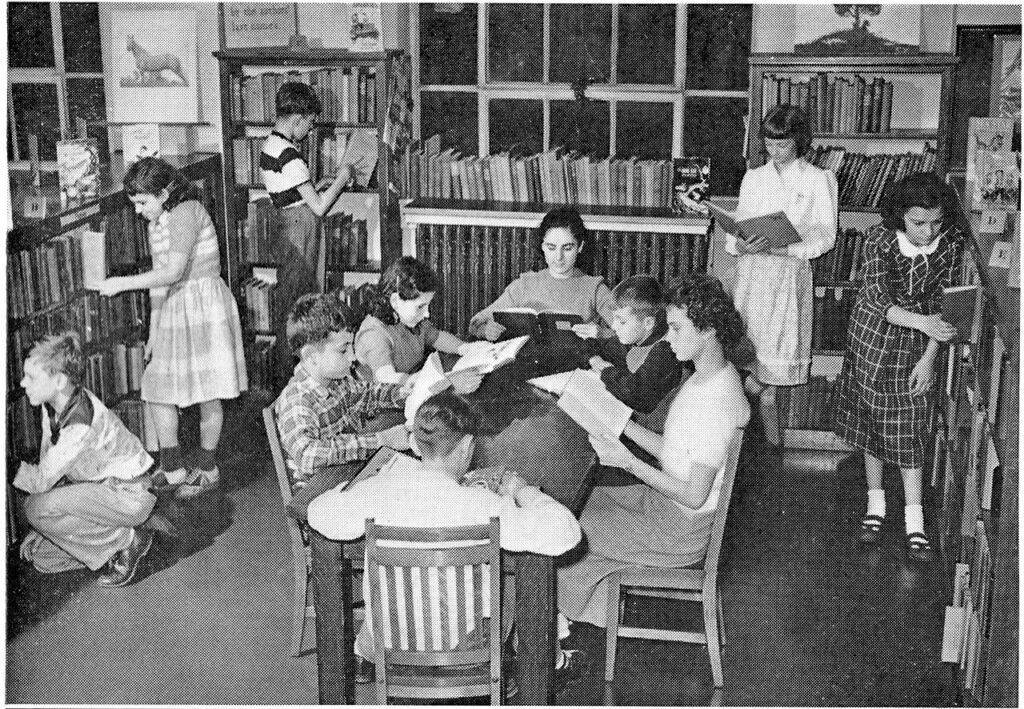
Librarians and library media specialists help people find information, says BLS. That can mean finding a good book.
Who keeps our town running?
Mail carriers, garbage collectors, bus drivers, and many more workers keep a town running. Each one does a different job.
- Mail carriers deliver mail to homes and businesses in cities, towns, and rural areas, says BLS. Rural means far from big cities.
- Garbage collectors gather garbage and recyclables from homes and businesses. BLS calls them refuse and recyclable material collectors. They take it to a dump, landfill, or recycling center, says BLS. Recyclables are things that can be made into new things.
- Bus drivers take people from place to place, says BLS.
- Construction laborers and helpers work on construction sites. They use, supply, or hold tools and materials, says BLS.
- Farmers and ranchers run farms that produce crops, livestock, and dairy products, says BLS. Livestock means farm animals.
- Chefs and head cooks oversee daily food preparation at restaurants and other places that serve food, says BLS.
Mail, buses, and trucks move people and things from place to place. Movement is one of the five themes of geography. Helpers also provide services that people can trade. See how trading began in how bartering began.
How many people work as community helpers?
The U.S. Bureau of Labor Statistics counted 3,465,400 registered nurse jobs in 2025. That is the biggest count in the table below. Each count is for the whole United States in 2025. The table does not cover every helper job.
| Helper | US jobs in 2025 |
|---|---|
| Registered nurses | 3,465,400 |
| Construction laborers and helpers | 1,674,400 |
| Kindergarten and elementary school teachers | 1,530,500 |
| Physicians and surgeons | 862,800 |
| Police and detectives | 824,200 |
| Farmers, ranchers, and other agricultural managers | 788,700 |
| Bus drivers | 563,200 |
| Postal service workers (mail carriers, clerks, and mail sorters together) | 488,500 |
| Firefighters | 355,300 |
| EMTs and paramedics | 284,100 |
| Chefs and head cooks | 220,300 |
| Dentists | 161,400 |
| Garbage collectors (refuse and recyclable material collectors) | 156,400 |
| Librarians and library media specialists | 142,300 |
| Veterinarians | 91,100 |
How can you be a community helper?
Kids can be community helpers too. You can pick up litter at the park. You can help a neighbor carry bags. You can be kind to a new kid at school. You can make a thank-you card for a helper you know.
Fred Rogers recalled his mother telling him: “Look for the helpers. You will always find people who are helping.” PBS KIDS for Parents shares his words.
Try this: Who am I?
Read each clue to a friend or a grown-up. Can they name the helper?
- I bring letters and packages to your door.
- I drive a big truck and pick up the cans every week.
- I help you learn to read and add.
- I put out fires.
- I help you find a good book.
- I care for people who are sick or hurt.
Answers
1. Mail carrier. 2. Garbage collector. 3. Teacher. 4. Firefighter. 5. Librarian. 6. Nurse.
Draw and talk
- Draw a map of your street. Mark each helper you can see or hear.
- Which helper did you see this week?
- What would happen if the mail carrier stopped working for a day?
- Which helper job would you like to try?
Grown-ups, read the questions out loud. Let your child draw each answer.
Find more topics in the social studies section. Parents and homeschoolers can plan the week with the K to 3 learning plan.
Sources
- Encyclopaedia Britannica. Community (Britannica Dictionary)
- National 911 Program. Calling 911
- U.S. Fire Administration. Fire Department Overall Run Profile (2020)
- PBS KIDS for Parents. How to Look for the Helpers (And Be One!) During Coronavirus
- U.S. Bureau of Labor Statistics. Occupational Outlook Handbook: Firefighters
- U.S. Bureau of Labor Statistics. Occupational Outlook Handbook: Police and Detectives
- U.S. Bureau of Labor Statistics. Occupational Outlook Handbook: EMTs and Paramedics
- U.S. Bureau of Labor Statistics. Occupational Outlook Handbook: Registered Nurses
- U.S. Bureau of Labor Statistics. Occupational Outlook Handbook: Physicians and Surgeons
- U.S. Bureau of Labor Statistics. Occupational Outlook Handbook: Dentists
- U.S. Bureau of Labor Statistics. Occupational Outlook Handbook: Veterinarians
- U.S. Bureau of Labor Statistics. Occupational Outlook Handbook: Kindergarten and Elementary School Teachers
- U.S. Bureau of Labor Statistics. Occupational Outlook Handbook: Librarians and Library Media Specialists
- U.S. Bureau of Labor Statistics. Occupational Outlook Handbook: Postal Service Workers
- U.S. Bureau of Labor Statistics. Occupational Outlook Handbook: Hand Laborers and Material Movers
- U.S. Bureau of Labor Statistics. Occupational Outlook Handbook: Bus Drivers
- U.S. Bureau of Labor Statistics. Occupational Outlook Handbook: Construction Laborers and Helpers
- U.S. Bureau of Labor Statistics. Occupational Outlook Handbook: Farmers, Ranchers, and Other Agricultural Managers
- U.S. Bureau of Labor Statistics. Occupational Outlook Handbook: Chefs and Head Cooks